
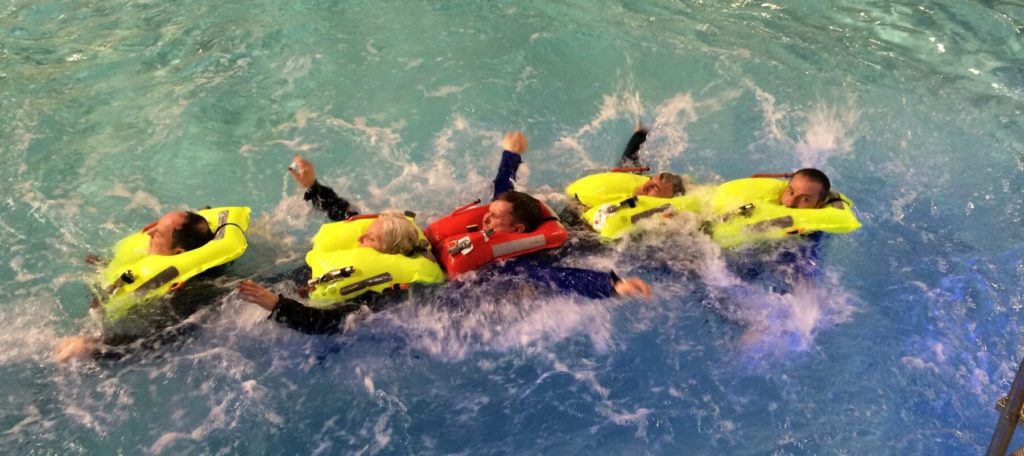


When preparing for a long voyage, having the correct lifejackets and marine safety equipment on board is essential. Whether you are sailing offshore or cruising along the UK coastline, the right safety gear can significantly reduce risks and improve survival chances in an emergency. This guide explains how to choose the right lifejackets, how many you should carry, how to maintain them, and why wearing them at sea is critical for safety.
Choosing the right type of lifejacket
There are many different lifejacket designs available for sailors and boat owners, with varying styles, fittings and automatic inflation mechanisms.
The right choice often comes down to personal preference and comfort, but there are several important factors to consider when selecting lifejackets for a long voyage.
First ensure the lifejacket carries the approved CE safety mark, which confirms it meets recognised safety standards across the UK and Europe.
You should also choose a lifejacket with the correct buoyancy rating for the wearer’s weight. Bigger is not always better. A smaller person wearing an oversized lifejacket may find the inflated bladder pushing up around their face and restricting breathing. Likewise, a child’s lifejacket will not provide sufficient buoyancy to keep an adult safely afloat.
A crotch strap is another essential feature. When the lifejacket inflates, this strap keeps the jacket positioned correctly and prevents it from riding up under the wearer’s chin. Anyone who has taken a sea survival course with the Royal Yachting Association (RYA) will understand how important correct lifejacket fit can be.
For offshore sailing or rough conditions, a splash hood is also highly recommended. If you are in the water during strong winds or heavy seas, the hood helps prevent waves and spray from repeatedly splashing over your face, reducing the risk of inhaling seawater which can cause secondary drowning.
How many lifejackets should you carry?
Every vessel should carry enough lifejackets for every crew member onboard, including children and even pets where appropriate.
It is also wise to carry one or two spare lifejackets in case:
- A lifejacket becomes damaged
- An inflation mechanism fails
- Equipment cannot be located quickly during an emergency
If you regularly sail with different crew members, make sure you carry a range of lifejacket sizes so everyone on board can wear one that fits properly.
You should also carry spare gas canisters. Accidental inflation can happen if a lifejacket catches on a guidewire or is triggered by heavy spray or waves.
Servicing and Checking your lifejackets
Commercial or code vessels in UK waters must have lifejackets professionally serviced each year. However, even recreational sailors should carry out regular checks to ensure their lifejackets remain safe and functional. Important safety checks include:
Gas Cylinder Fit
Ensure the gas cylinder is securely screwed into place. A loose cylinder or an incorrect sized cylinder may prevent the lifejacket from inflating correctly.
Inflation test
Manually inflate the lifejacket and leave it inflated for 24 hours. If it loses air during this time, there may be a leak in the bladder and the lifejacket should be replaced.
Corrosion
Check the gas cylinder for rust or corrosion. Ife there are signs of damage or deterioration, replace the cylinder immediately.
Wear and Tear
Inspect both the outer cover and the internal bladder for signs of damage and deterioration. Pay particular attention to areas around the neck and shoulders, which can wear if crew frequently lean under guardrails.
Regular checks ensure your marine safety equipment is reliable when you need it most.
Safe storage of lifejackets onboard
When lifejackets are not being worn, such as when crew are below deck, they should be stored in an easily accessible location. In an emergency, every second counts. All crew members should know exactly where lifejackets are stored and how to access them quickly. Avoid storing them under bunks or buried beneath other equipment where they may be difficult to reach.
Always wear your lifejacket
Modern inflatable lifejackets are designed to be lightweight, comfortable, and unobtrusive, making them easy to wear while working or moving around the boat. For the best level of safety, the simplest rule is this: always wear your lifejacket when on deck. A lifejacket cannot save your life if it is stored away when an accident happens.
Learn more about lifejacket safety
For further advice on lifejackets, sea survival and boating safety, visit the website of the Royal National Lifeboat Institution (RNLI), which provides practical safety guidance for sailors and boat users across the UK
